Home/Explained/eSIM or Physical SIM: What Actually Matters When You…
eSIM or Physical SIM: What Actually Matters When You Switch Carriers
In this report
A carrier-locked phone will block any switch—eSIM or physical SIM—before you even reach the activation screen. Apple documentation shows that iPhones display "No SIM Restrictions" next to Carrier Lock only when the device is fully unlocked, and both Apple and the Federal Communications Commission treat this status as the gate that must open before any new service can take hold. The practical question for switchers is not which SIM technology is newer, but which activation path matches your phone's unlock status, your tolerance for downtime, and whether you need a fallback if the transfer stalls.
Unlock Status Is the Hard Prerequisite
The FCC mandates that carriers unlock eligible prepaid devices no later than one year after initial activation, subject to reasonable payment, usage, and time requirements. This rule applies to the device itself, not to any SIM PIN or account PIN that guards your line against unauthorized changes. Apple separates these layers explicitly: Carrier Lock appears in Settings > General > About, and until it reads "No SIM Restrictions," the phone will reject another carrier's SIM regardless of format.
For postpaid devices, carrier unlocking policies vary by network, but the same principle holds. A Verizon-locked phone cannot accept a T-Mobile eSIM. An AT&T-locked iPhone will refuse a physical Mint Mobile card. The SIM type is irrelevant if the device firmware blocks the handshake. Check this first. Everything else follows.
eSIM Activation Works When the Pieces Align
Apple documents that iPhone users add an eSIM by scanning a QR code in Settings > Cellular, or by using a carrier's direct activation flow. Google Pixel Help confirms that eSIM transfer from iPhone to Pixel is a supported setup path, giving Android switchers a documented migration route. The process takes minutes when the phone is unlocked, the carrier supports instant activation, and you have Wi-Fi or another data connection—Apple notes that international eSIM downloads specifically require an active network to pull the profile.
This speed is real but conditional. The QR scan itself is fast. The carrier's backend provisioning and the number port from your old line are not always synchronous. Verizon guidance indicates that in-store switches often activate new service immediately, but that scenario assumes retail staff handle the handoff. Remote eSIM activation puts more burden on timing alignment between releasing and accepting carriers.
The convenience compounds if you want two lines. Apple's dual SIM labeling lets users name one plan "Primary" and another for travel or data, keeping both active without swapping hardware. International travelers can load a local eSIM while keeping the home line dormant—Apple confirms this works only on unlocked iPhones, but when unlocked, it removes the friction of finding a local SIM vendor on arrival.
Physical SIM Retains the Fallback Advantage
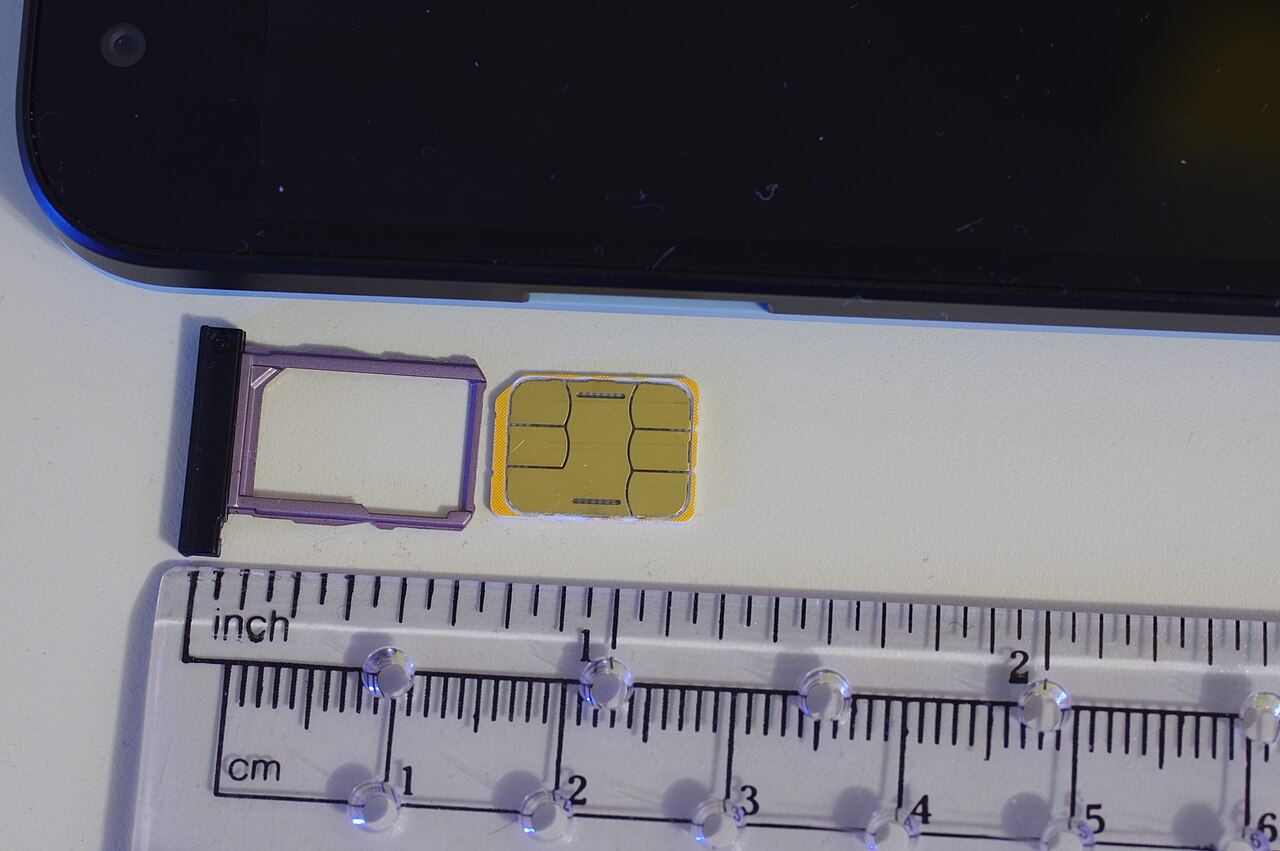
Verizon notes that store-completed switches often activate the new physical SIM on the spot, with the old line releasing as the new one takes over. This hardware-handoff model has a blunt reliability: if the activation fails, you still possess a tangible object that another device or another store can attempt to provision. The physical SIM can be moved to a backup phone. It can be replaced if lost. It does not depend on Wi-Fi availability or profile download servers.
The physical format also persists as the default for carrier retail, where staff are trained to handle the swap and troubleshoot visibly. eSIM adoption is growing, but carrier systems and staff familiarity remain uneven. A physical SIM switch in a store reduces the number of variables you control remotely.
Dual SIM and Travel Drive eSIM Adoption
The strongest case for eSIM during a carrier switch is not the switch itself but what comes after. Apple's dual SIM architecture lets a switcher port the primary number to an eSIM, then add a secondary line—domestic or international—without disturbing the first. Labeling distinguishes which line handles calls, which handles data, and which remains dormant. For someone switching to a cheaper domestic carrier while retaining a premium line for international roaming, eSIM eliminates the need to carry two phones or swap SIMs at borders.
International eSIM use specifically requires that Wi-Fi or alternate network connection, per Apple, since the profile downloads over the air. This is a planning constraint, not a dealbreaker, but it means airport arrivals without roaming agreements need connectivity before the local eSIM becomes active. The physical SIM traveler can slot a prepaid card immediately, offline.
The Gaps in Official Guidance
Official sources describe activation flows clearly but leave recovery and failure modes underdocumented. The FCC unlocking guide covers eligibility timelines, not what to do if a carrier delays compliance. Apple and Google explain how to add eSIMs, not how to extract a number from a dead phone that holds only an eSIM profile. Verizon's store activation guidance does not address what happens if the old carrier releases the number hours after the new eSIM claims it, leaving a service gap. The record is thin on whether carriers treat eSIM and physical SIM ports with identical priority in their backend queues, and whether one format experiences higher failure rates in practice.
For lost hardware, the physical SIM has a defined replacement path: visit a store, authenticate, receive new plastic. The eSIM equivalent—remote reprovisioning—depends on carrier app functionality and whether you can reach their systems without the phone you are trying to restore. These contingencies are not mapped in the help articles reviewed here.
The Decision Rule
Choose based on three factors, in order: unlock status first, then speed versus fallback priority, then dual-line needs.
If your phone shows "No SIM Restrictions," eSIM offers faster remote activation, dual-line flexibility, and travel convenience. QR-code setup works in minutes when carrier systems cooperate. The cost is dependency on Wi-Fi for international downloads and less clarity on dead-phone recovery.
If you value the simplest possible fallback, want store staff to handle the handoff, or anticipate needing to move service to a backup device quickly, physical SIM remains the more robust choice. It trades some speed for tangible control.
For the switcher who plans to travel or maintain two lines, eSIM's dual-SIM architecture is decisive—once unlocked, it separates the home number from temporary data plans without hardware swaps. That capability, not activation speed alone, is what makes the format matter when changing carriers.